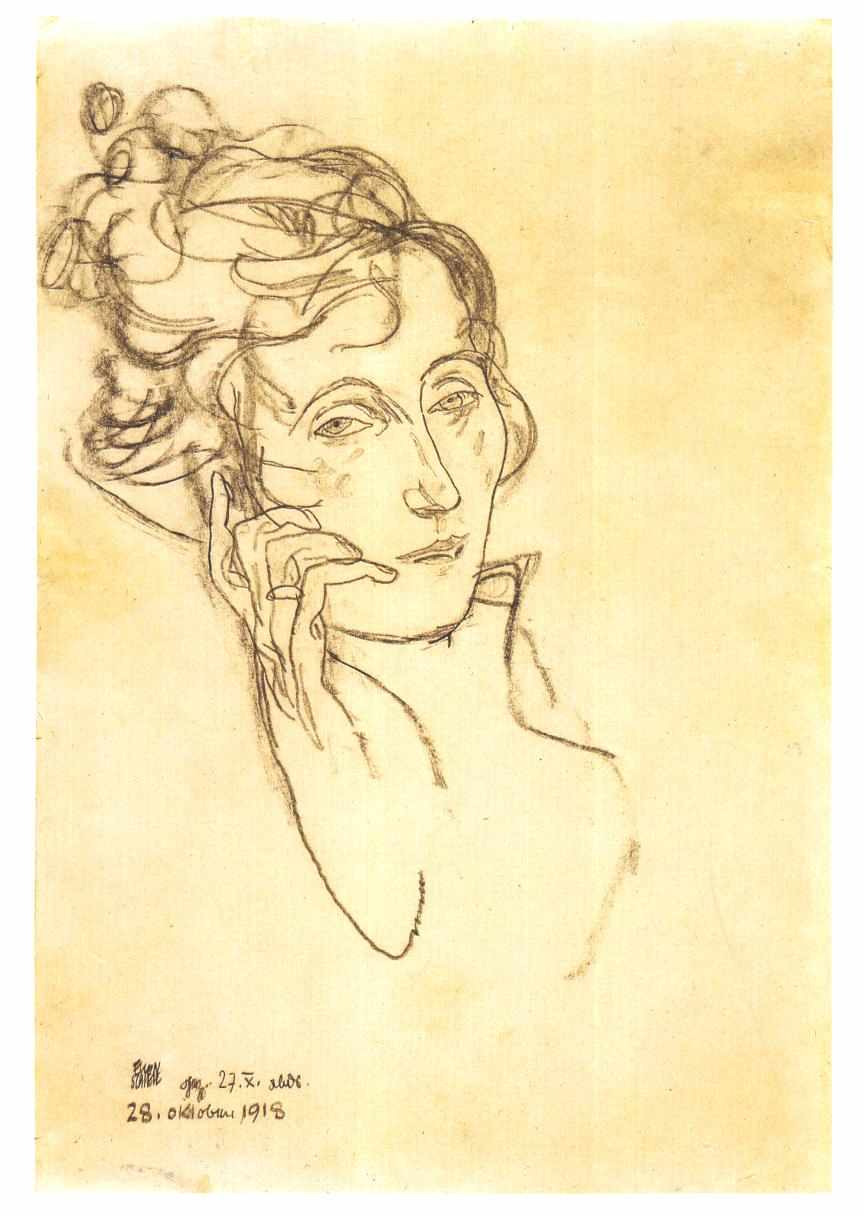
Egon Schiele sketched his wife, Edith, before she died in 1918 as part of the Spanish flu pandemic. She was six months pregnant. At 28, he died three days later.
It gets worse: Tomorrow’s Monday.

Egon Schiele sketched his wife, Edith, before she died in 1918 as part of the Spanish flu pandemic. She was six months pregnant. At 28, he died three days later.
It gets worse: Tomorrow’s Monday.
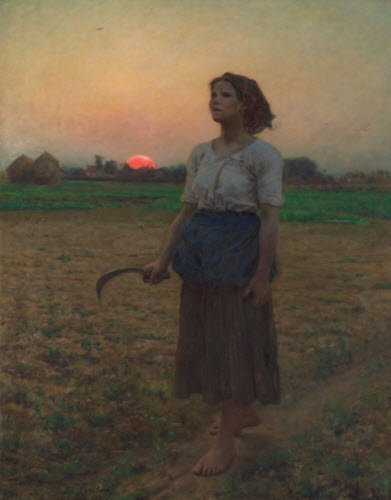
“‘Well, there’s a girl who doesn’t have a whole lot of prospects, but the sun’s coming up anyway and she’s got another chance at it.’ So I think that gave me some sort of feeling that I too am a person and I get another chance everyday the sun comes up.”
– Bill Murray, on The Girl of the Lark
The painting is on permanent display at the Art Institute of Chicago.

This video, called “Eyes of Hitchcock,” will easily be one of the scariest things I watch. And I pull up Kevin Ware’s injury on the reg.

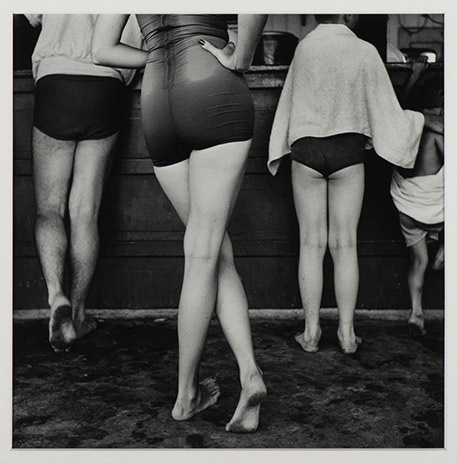

The Nova Southeastern University Museum of Art‘s exhibition “American Scene Photography: Martin Z. Marguiles Collection” just became the hottest thing in Fort Lauderdale.

Even though Claude Monet is oft-called the “Father of Impressionism,” Camille Pissarro was the oldest member. He painted this patch of farmland and put it in the first exhibition of the “Anonymous Society of Painters, Sculptors, and Printmakers” in 1874. The French Salon was the most prestigious way to exhibit, but the artists were like, “Or nah,” about being accepted by the annual jury. So they made their own.
Louis Leroy describes the interaction between him, another critic Joseph Vincent, and this work:
“Those are cabbages,” I told him in a gently persuasive voice.
“Oh, the poor wretches, aren’t they caricatured! I swear not to eat any more as long as I live!”
“Yet it’s not their fault if the painter … ”
“Be quiet, or I’ll do something terrible.”
I used to feel that way about cabbages, Joe. I definitely do about the smell of ’em.

Spanish street artist Pejac recreates Monet’s Impression, Sunrise from 1872, on a rusted ship.
Monet said of the work,
Landscape is nothing but an impression, and an instantaneous one, hence this label that was given us, by the way because of me. They asked me for a title for the catalogue, it couldn’t really be taken for a view of Le Havre, and I said: ‘Put Impression.'”
During the first exhibition of the soon-to-be-called Impressionists, art critic Louis Leroy commented,
“Impression– I was certain of it. I was just telling myself that, since I was impressed, there had to be some impression in it — and what freedom, what ease of workmanship! Wallpaper in its embryonic state is more finished than this seascape.“
The lesson being, I need to start using embryonic more often.
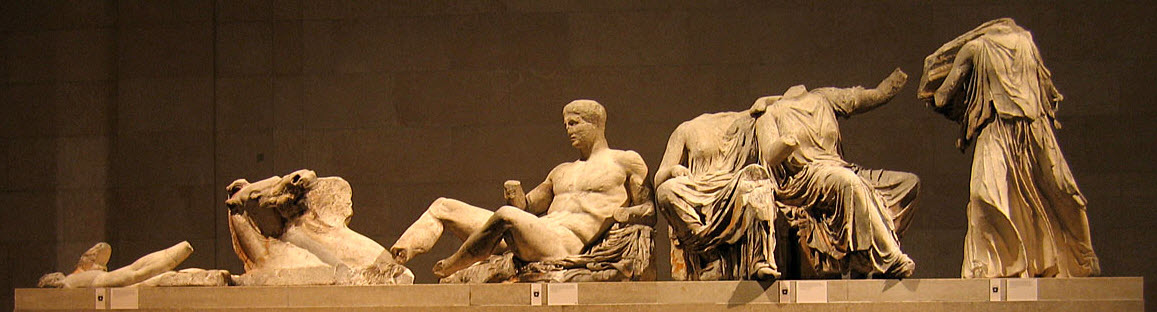
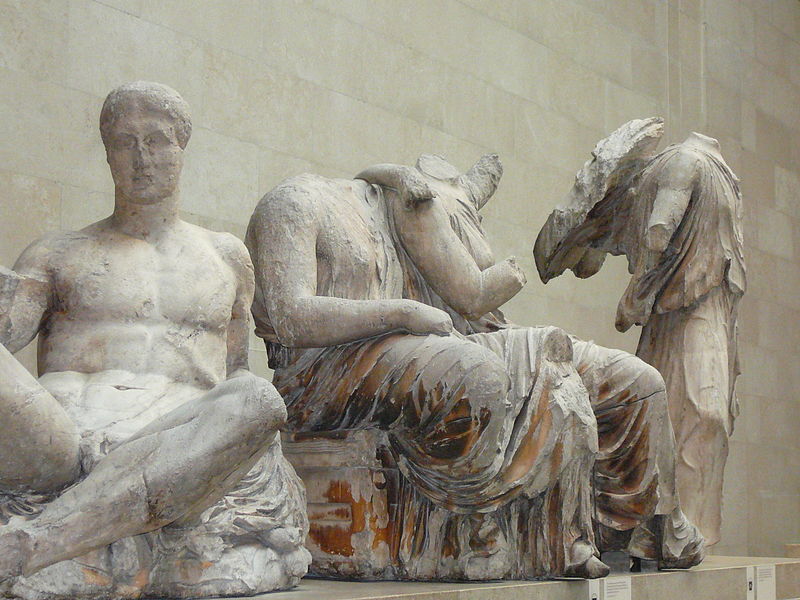
Thomas Bruce was the seventh Earl of Elgin. He was the British ambassador to the Ottoman Empire between 1799 and 1803. Traveled to Greece. Wanted everything from the Parthenon, sooo he did. About half of the sculptures that were still in the Parthenon were taken by Bruce and his aides. In 1816, 247 feet of the original 524-foot-long frieze, plus multiple architectural pieces and sculptures, were given to the British Museum. They’re still there today.
I know what you’re thinking: “Does Wikipedia use the term ‘yoink’ to describe Bruce’s acquisition?” The answer is a sad, unfortunate no.
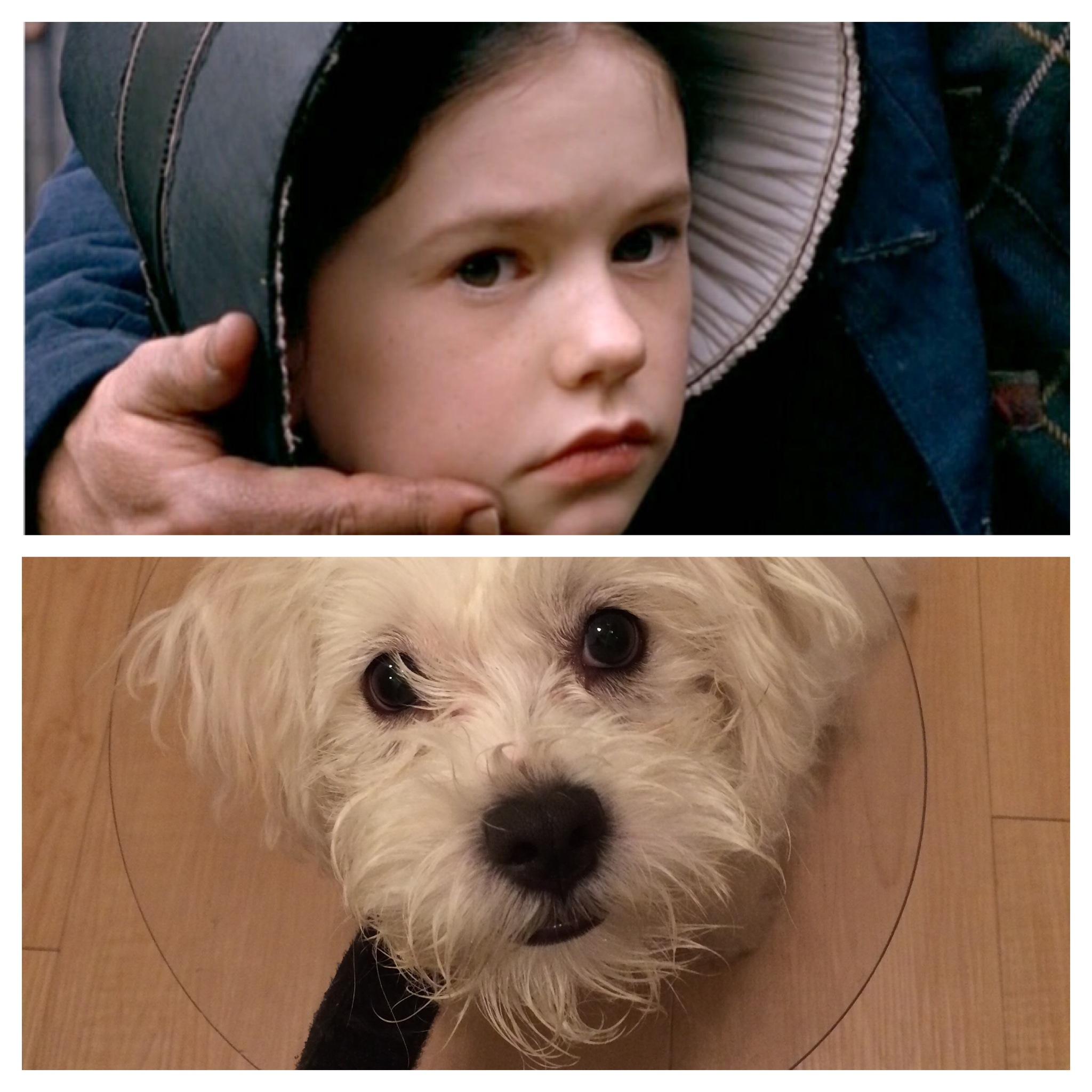
Sometimes art is your dog in a post-op cone, totally recalling Anna Paquin in The Piano.
I don’t know what more I can say at this point, Mallory. I’m over this waiting. Just talk to me. Hire me. Work with me. Just actually over-this-so-I’ll-just-stand-at-your-locker-in-the-hallway-during-school over it. Yep. Tapping my Keds-encased toes and everything.
Read the remaining gems of “Unhappy Mothers” here.
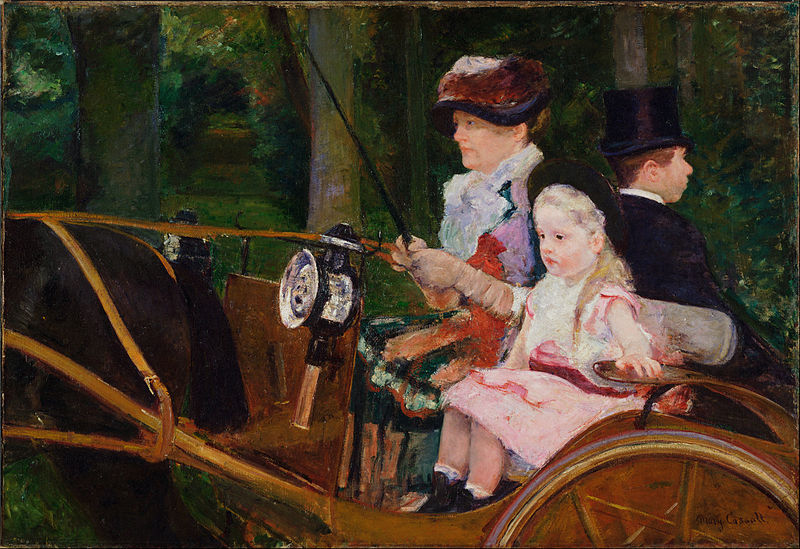
don’t say a word
i wasn’t even saying anything
great
just keep on doing that then

just because i’m dead and in a painting
doesn’t mean i’m not still disappointed in all of you
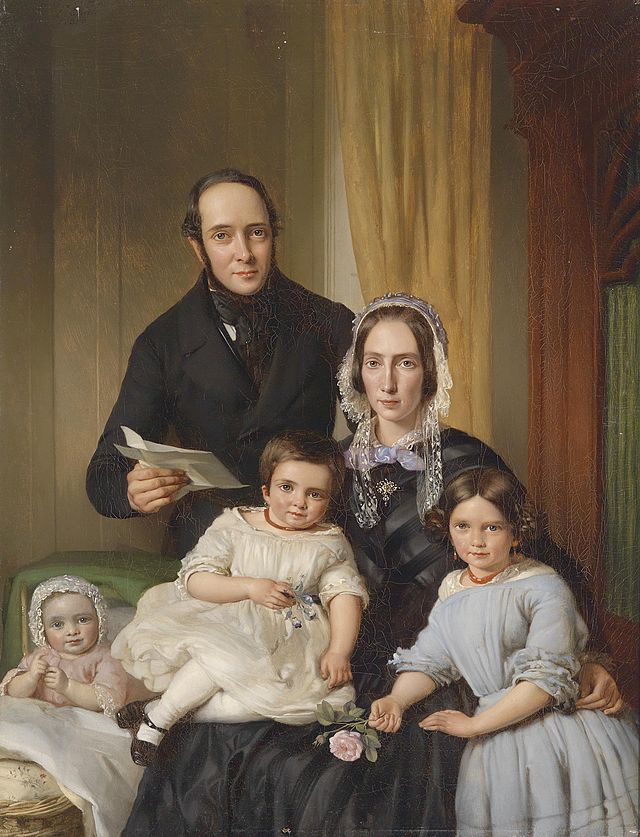
well
here it is
my life’s work
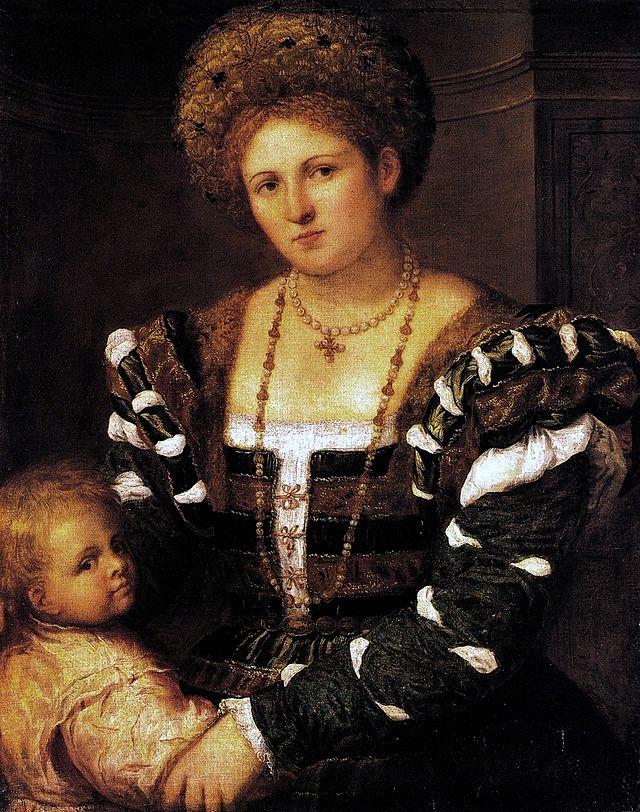
can you move a little bit to the right so we can get more of the boy
what boy
him?
i don’t think we need him in this picture

 arthipstory