
Sometimes art is a baby. UGH.

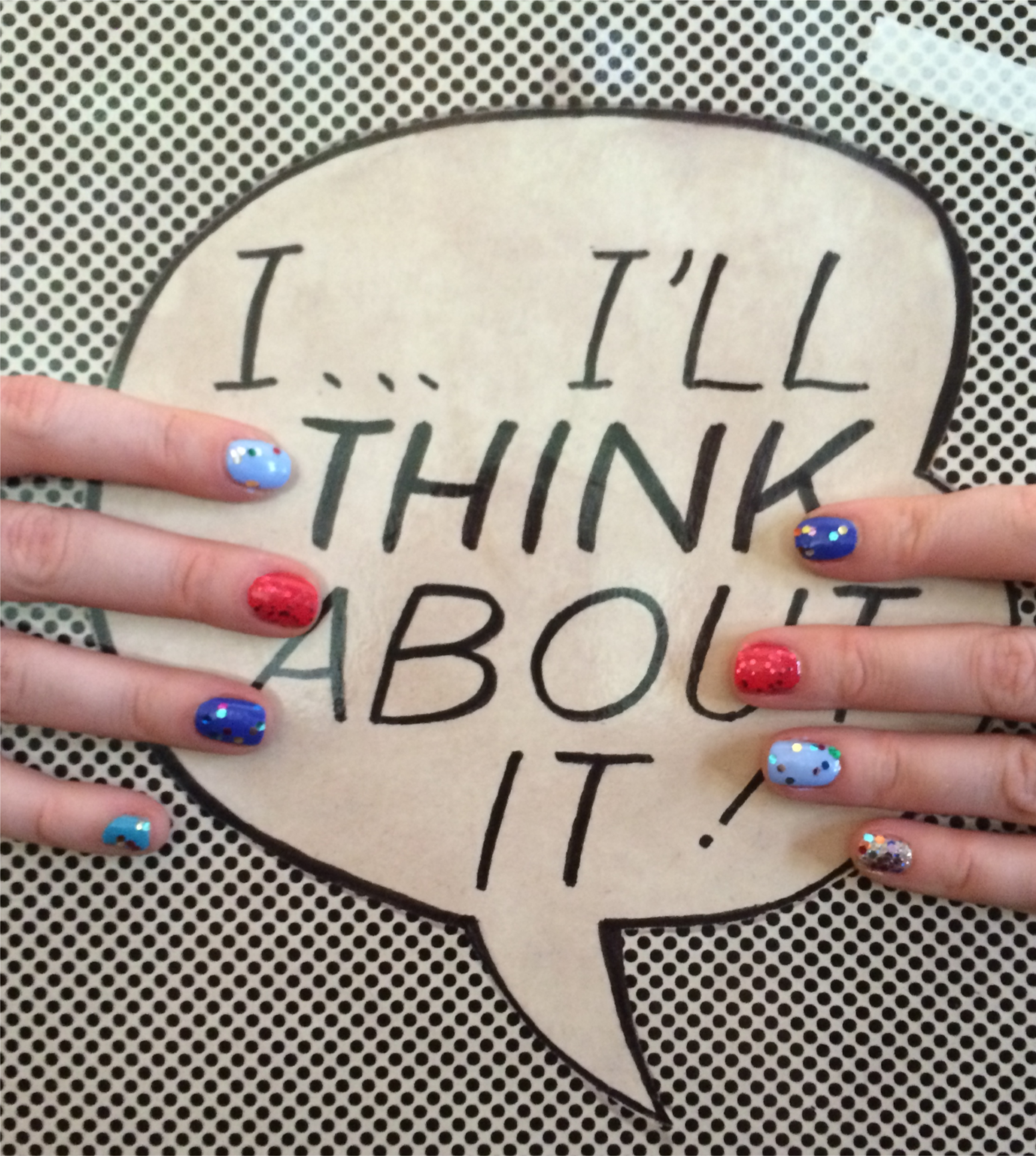
Sometimes art is a patriotic manicure.

This image above is from the Paris World’s Fair in 1878, and the one below is from the Centennial Fair of 1876. Reason #934 I was born in the wrong generation.

Between 1876 and 1882, if you lived in New York, you could throw down 50 cents and climb atop Lady Liberty’s torch. I would have been doing this daily.
Her head and limb joined the rest of her in the 1880s, with a final ceremonial dedication October 28, 1886. She was once under the authority of the US Lighthouse Board (!!!), then the Department of War, and since 1933, the National Parks Service.
Thanks, France!
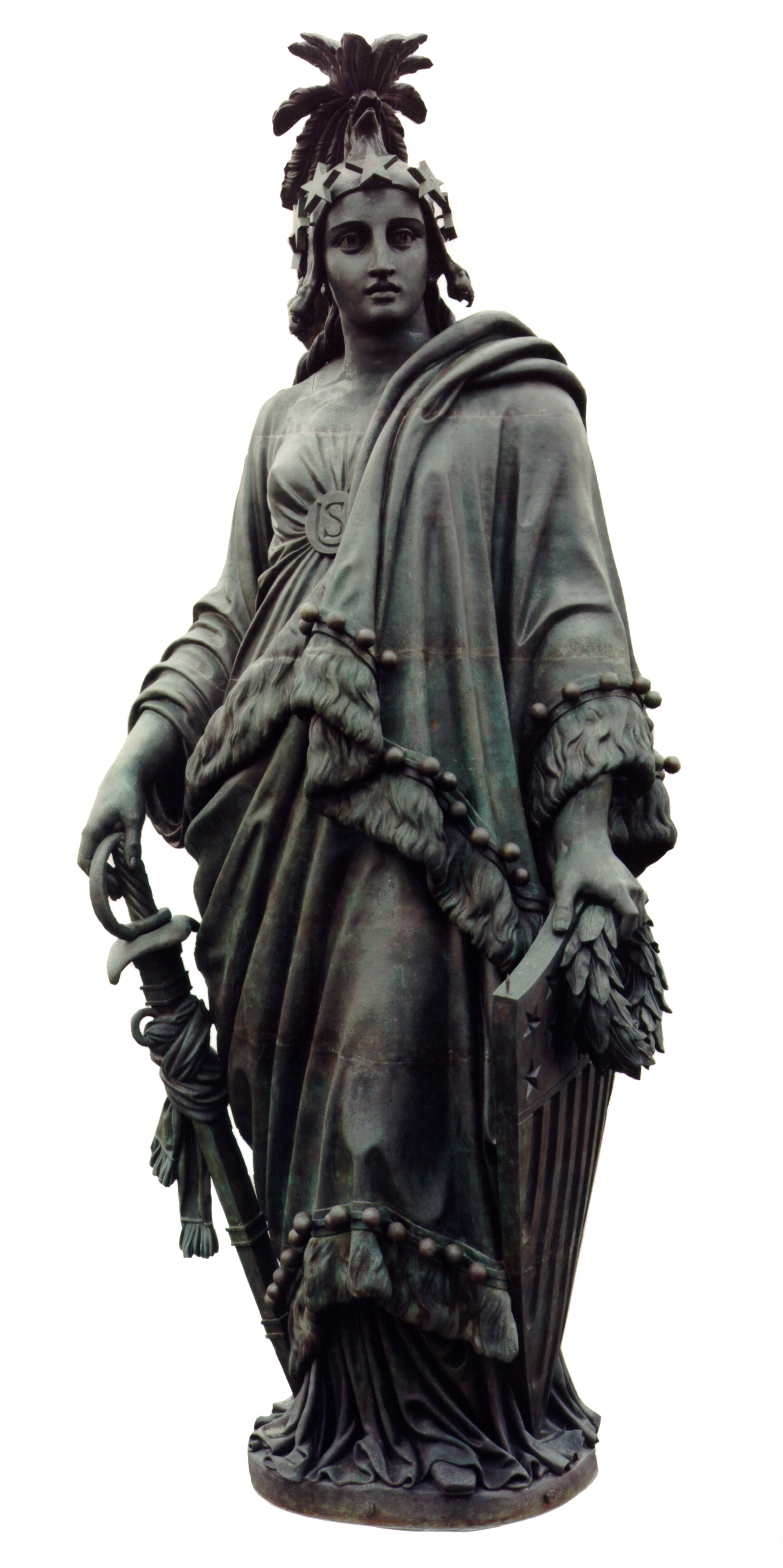
Happy Fourth of July, America. To celebrate, I salute FREEDOM.
The Statue of Freedom has been sitting pretty (actually though, look at that CROWN!) on the US Capitol since 1863. Wouldn’t you know, of all people, Jefferson Davis (Secretary of War under Pierce and eventual President of the Confederacy) was in charge of the Capitol’s construction and decorations.
At the time of the installation, the head honcho of the casting agency, Clark Mills, went on strike. Before walking off, however, he passed the responsibilities off to Philip Reid, one of the slaves on site. Reid went on to preside over the rest of the casting.
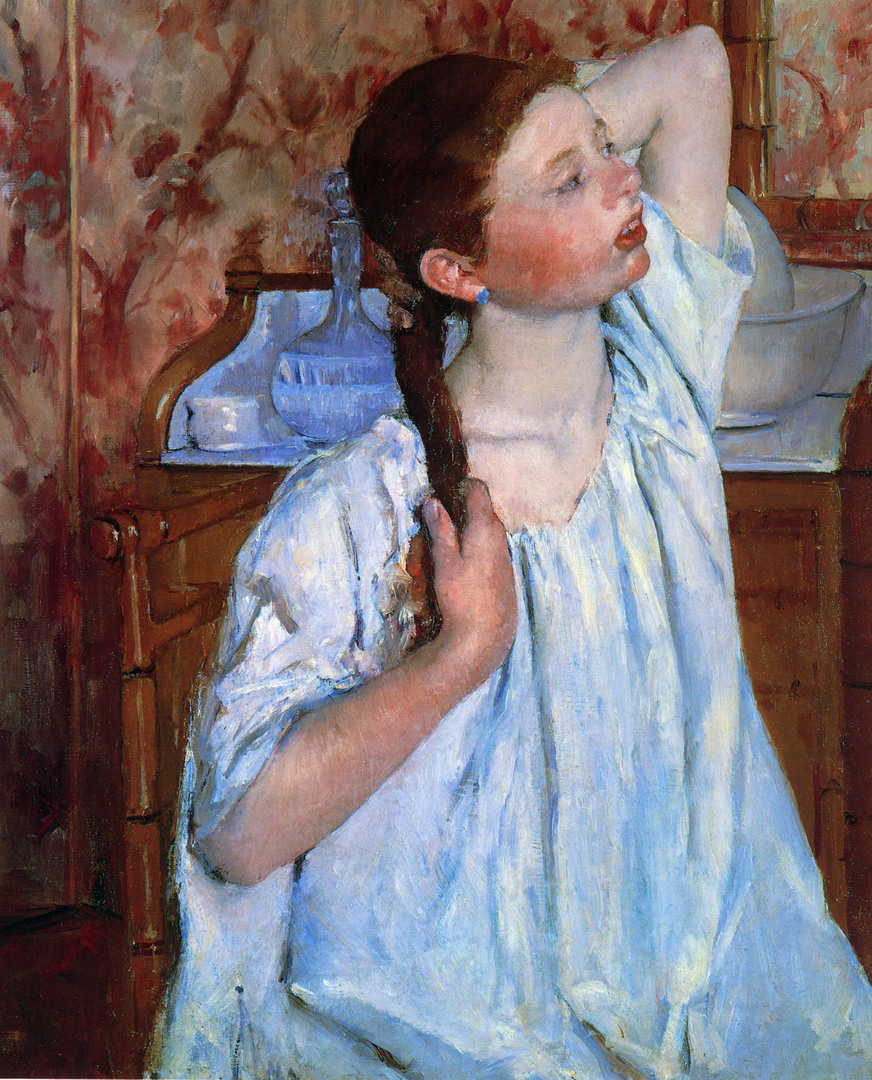
There’s actually nothing better than an exposed collarbone. Nothing. Bonus points on her being a redhead (ignore what I said in my last post).
Degas had once asked, “What do women know about style?” to Cassatt, and this painting was her retaliation. Do you think Degas just said, “As I thought, NOTHING!”
No matter, Degas had this work in his studio. He then sold it to Louisine Haverney, a major suffragette who co-founded the National Women’s Party (she once tried to set an effigy of Woodrow Wilson on fire in front of the White House — 😯 😯 😯
The painting was then a part of the Chester Dale collection — ah yes, our 1960s Kevin McCallister — before joining the NGA collection.
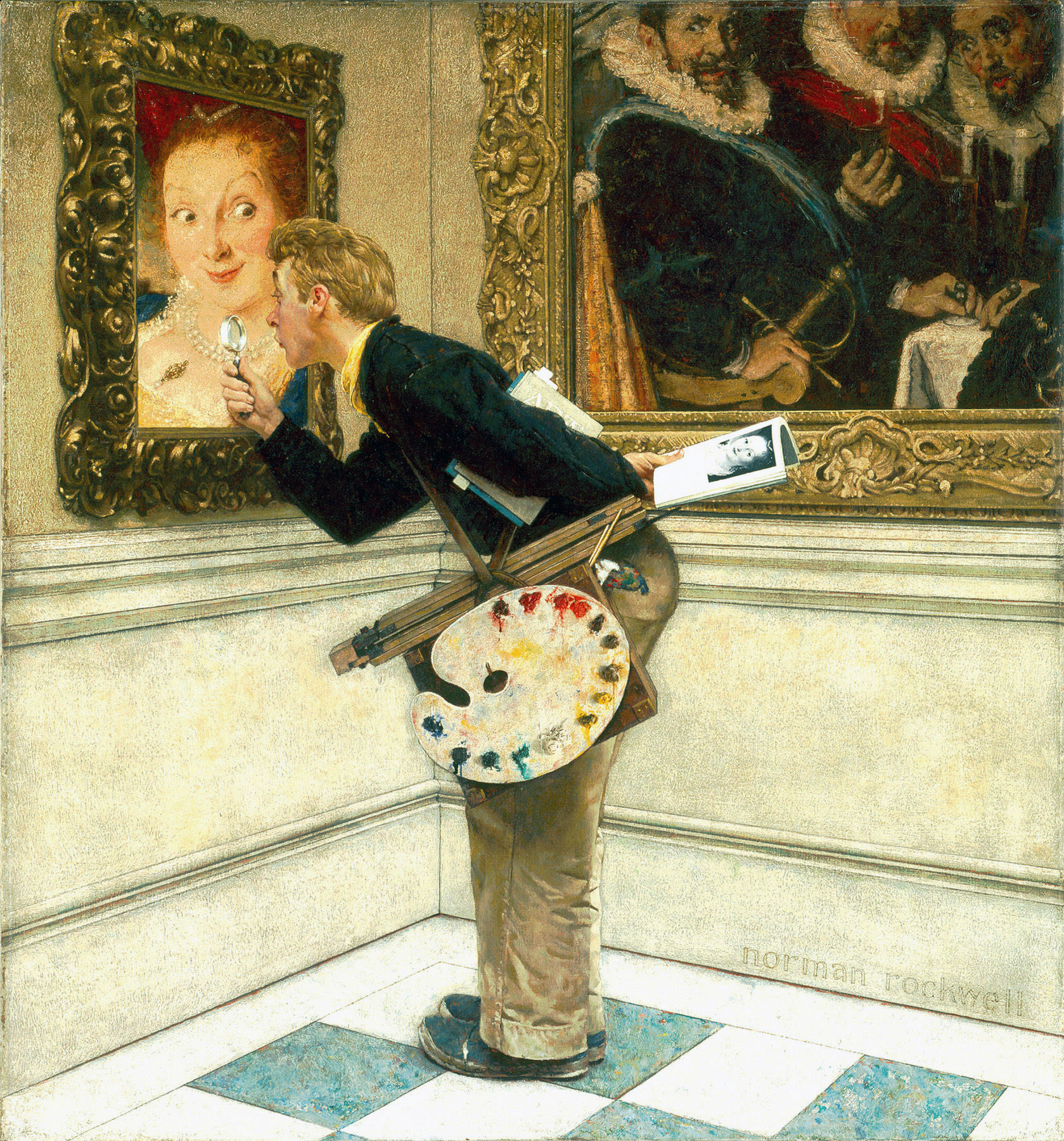
Norman Rockwell’s “The Critic” first appeared on the cover of the Saturday Evening Post in 1955.
Rockwell used his oldest son as the model for the studying art critic. He honored his mother by making her the portrait at which he’s looking carefully. Her red hair was added for fun by Rockwell.
You know what’s fun? Cotton candy, baseball games, ice cream bars. You know what’s not? Being a ginger in the summer.
Sometimes art is a patriotic soccer game.
America is starting Graham Zusi and not Kyle Beckerman against Belgium today.
Translation? USMNT is making my soccer crush decision for me.


Don’t worry, Kyle. It’ll be like a Jack and Rose thing, I’ll never let go.

I’m actually starting to think that Emile Bernard was the classic mean girl boy. Hear me out. In 1888, Vincent van Gogh is endlessly writing letters to Gauguin and Bernard about creating an “artistic community.” I mean, these letters — like this one, to Bernard in June of ’88 — are desperate.
I’m just imagining the two recipients just giggling like high school girls at their French studios at Vincent’s expense.
So, in the classic mean girl (think Mean Girls’ Plastics) fashion, Bernard sends the above self-portrait as a big “Oh, you want to hang out with us? That’s so sweet!”
And you know what van Gogh writes back?!
Van Gogh was enthusiastic about the gift – “a couple of simple tones, a couple of dark lines, but it is [as] elegant as a real, genuine Manet.”
I read “elegant,” but all I’m envisioning are those less-popular girls that fawn over Regina George:
Well, it turns out Emile Bernard is, in fact, our story’s Cady Heron. He’s the one to arrange Vincent van Gogh’s first retrospective after his death in 1890. But where Mean Girls grants Cady the cute boy and the diverse friendships, Bernard loses Gauguin. They sharply split ways because Georges-Albert Aurier named Gauguin the leader of Symbolism and initiator of the Synthetist manner, a title Bernard felt entitled to.
Can’t win ’em all, Emile.
 arthipstory